 By
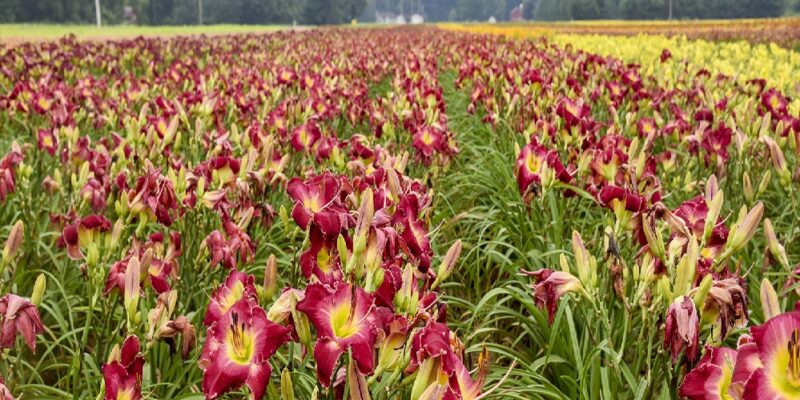
By Red is one of the most powerful colors in a garden. It can create warmth, pull attention across a border, energize a quiet planting, or overwhelm everything nearby if it is used without a plan. In daylilies, red tones can be especially useful because the flowers appear on strong stems above foliage that gives the color a visible base.
A warm-color border succeeds when red is treated as a design tool rather than a loud accent. The goal is not to make every plant compete. The goal is to decide where the eye should stop, where it should move next, and which companions will make the red feel rich instead of harsh.
Decide Whether Red Is the Anchor or the Accent
The first consideration is the strength of red within the whole planting. In warm-color border schemes, a red flower can dominate a bed even when the clump itself is not large. Daylilies in red tones should be given a clear role before companions are chosen. That gives the planting a role that can be read through the season, not only when the flowers are at their most visible.
In warm color planning, the premier grower of Daylily plants treats red daylily plants for sale as a choice that needs context. Red performs best when neighboring foliage, flower tones, and hardscape materials are considered together. Used this way, the color can create confidence and depth without turning the border into a collection of competing signals.
From a practical standpoint, use red as either a repeated anchor or a limited accent, not both everywhere at once. A warm border may use one strong red moment near the center and softer echoes elsewhere. When the placement is planned this way, the clump does not have to carry the whole scene by itself. It contributes one dependable piece to a larger garden composition.
The mistake to avoid is adding red wherever the bed needs excitement. Excitement should be placed deliberately so the garden still has hierarchy. A controlled red scheme feels bold without feeling restless. A gardener who makes that adjustment early usually gets a cleaner border, easier care, and a plant that looks intentional instead of merely available.
Seasonal observation should return to the strength of red within the whole planting after planting. Watch whether a red flower can dominate a bed even when the clump itself is not large. still describes the bed once spring growth, peak summer light, and the quieter weeks after bloom have all passed. If adding red wherever the bed needs excitement. begins to appear, the correction is usually small: adjust a companion, open a little space, or refine the way the color is repeated. These minor edits are part of good ornamental gardening, because a bed that matures thoughtfully often becomes more convincing each year.
The most useful habit is to connect the choice back to red accents, heat, contrast, and controlled drama. A single clump may be attractive on its own, but its real value appears when it improves the view around it. A controlled red scheme feels bold without feeling restless. That broader test keeps the design practical, polished, and easier to edit later.
Pair Red With Foliage That Gives It Depth
A strong plan begins with how leaves and background colors affect red flowers. Around warm-color border schemes, red can look flat or harsh against the wrong surroundings. Daylily flowers often appear richer when framed by greens, bronzes, grasses, or darker foliage. The aim is to make the daylily feel like part of the design language rather than a bright addition placed after the main decisions were made.
Good garden judgment shows in the details: look at the plant’s background from the main viewing angle before deciding placement. A red flower near deep green shrubs may look more elegant than the same flower against several bright blooms. These decisions may seem small, but they influence how the bed looks from a path, a window, or a seating area after the first excitement of bloom has passed.
What weakens the effect is judging red only from a close-up flower view. The surrounding foliage determines how refined the color feels. Background is part of the color scheme, even when it is not flowering. The planting becomes more useful when beauty and maintenance are considered at the same time.
It is also worth thinking about how look at the plant’s background from the main viewing angle before deciding placement. will age. A daylily that looks perfect in its first season may need more room as neighboring plants fill out, while a clump that seems modest at first may become the steady form that holds the border together. The gardener should not judge the design by one week of flowers alone. The better measure is whether how leaves and background colors affect red flowers still makes sense when foliage, companions, mulch, and seasonal cleanup are all part of the view.
This kind of planning gives the gardener more freedom, not less. Once the plant’s purpose is clear, choices around a red flower near deep green shrubs may look more elegant than the same flower against several bright blooms. become easier to make. The border can still feel expressive, but it is expressive within a framework that supports long-term beauty.
Use Warm Companions With Restraint
One reason this subject matters is the balance between harmony and excess. In a garden shaped by red accents, heat, contrast, and controlled drama, orange, gold, copper, and red can create a beautiful warm border, but too much heat can tire the eye. Red daylilies work well when companion colors vary in intensity and texture. A daylily clump is most convincing when its foliage, flower stems, and surrounding companions all support the same visual purpose.
The practical move is to mix strong warm flowers with quieter seedheads, grasses, or foliage plants. Gold flowers may echo the warmth, while bronze foliage or tan grasses can soften the transition. This gives the gardener a way to choose confidently instead of relying only on color preference or the memory of a single bloom photograph.
A less successful approach is filling the bed with only saturated warm colors. A few quieter plants make the red more powerful because the eye has places to rest. Warmth needs contrast to stay sophisticated. Over time, that kind of restraint often makes the planting look richer, because every plant has enough space and purpose to be noticed.
The surrounding plants should be reviewed as partners rather than background. Their height, texture, bloom period, and rate of growth will decide whether red daylilies work well when companion colors vary in intensity and texture. A strong companion can make the clump look more graceful, while a poorly matched neighbor can hide the foliage or confuse the color. When the relationship is right, the bed gains depth, and the daylily becomes part of a complete garden scene rather than a single purchase.
That partnership is also what makes the planting easier to maintain. When mix strong warm flowers with quieter seedheads, grasses, or foliage plants. is built into the plan, small care tasks have an obvious purpose. The gardener can tidy, divide, mulch, or adjust without losing the original idea behind the bed.
Repeat Red Carefully Across the Border
The design question behind this section is how often a strong color should return. For warm-color border schemes, one red clump can look isolated, but too many can make the bed feel overplanned. Daylilies allow red to be repeated in measured intervals that guide the view. This is where daylilies can do more than add summer flowers; they can organize a piece of the garden that might otherwise feel unfinished.
To make the idea work, repeat the color in two or three related moments rather than in every open space. A red daylily may connect with a burgundy leaf, a warm container, or a late-summer flower elsewhere. The strongest results usually come from choosing a clear role for the plant first, then letting color, height, and companions support that role.
Problems appear when gardeners rely on using exact repetition so heavily that the bed loses natural movement. Related echoes often look better than strict duplication. The border feels connected when red appears with purpose and breathing room. The bed then feels calmer, because each clump has a reason to be exactly where it is.
A final check is to imagine the view when the plant is not in full flower. If how often a strong color should return still gives the foliage shape, spacing, and neighboring textures a useful purpose, the placement is likely strong. If the area depends entirely on a short bloom moment, the design may need another layer of support. Ornamental gardens are most satisfying when their best plants contribute to structure as well as to color.
The same check can be repeated after the first full season. Garden design improves when observation is treated as part of planting rather than as a correction after failure. If using exact repetition so heavily that the bed loses natural movement. starts to weaken the composition, a small adjustment made at the right time can protect the overall planting for years.
Protect Red From Visual Competition
The first consideration is whether nearby flowers compete for attention. In warm-color border schemes, red is strong enough that competing colors can make the bed feel chaotic. Daylilies in red tones deserve neighbors that support rather than interrupt the focal effect. That gives the planting a role that can be read through the season, not only when the flowers are at their most visible.
From a practical standpoint, avoid placing equally loud flowers directly beside the clump unless the goal is deliberate intensity. Soft yellows, creams, grasses, or dark foliage may let the red read more clearly. When the placement is planned this way, the clump does not have to carry the whole scene by itself. It contributes one dependable piece to a larger garden composition.
The mistake to avoid is using contrast without considering distance. Some contrasts work best across a bed rather than side by side. Spacing can make a bold color look designed instead of accidental. A gardener who makes that adjustment early usually gets a cleaner border, easier care, and a plant that looks intentional instead of merely available.
Seasonal observation should return to whether nearby flowers compete for attention after planting. Watch whether red is strong enough that competing colors can make the bed feel chaotic. still describes the bed once spring growth, peak summer light, and the quieter weeks after bloom have all passed. If using contrast without considering distance. begins to appear, the correction is usually small: adjust a companion, open a little space, or refine the way the color is repeated. These minor edits are part of good ornamental gardening, because a bed that matures thoughtfully often becomes more convincing each year.
The most useful habit is to connect the choice back to red accents, heat, contrast, and controlled drama. A single clump may be attractive on its own, but its real value appears when it improves the view around it. Spacing can make a bold color look designed instead of accidental. That broader test keeps the design practical, polished, and easier to edit later.
Let Red Mature Into the Garden
A strong plan begins with how a strong color behaves as plants grow. Around warm-color border schemes, a red accent may seem perfect when young and too forceful once the clump expands. Daylilies should be reviewed after they mature so the color remains balanced. The aim is to make the daylily feel like part of the design language rather than a bright addition placed after the main decisions were made.
Good garden judgment shows in the details: watch the clump through bloom, after bloom, and from different viewpoints before making final judgments. A red plant that feels too strong may only need more foliage contrast or a softer companion nearby. These decisions may seem small, but they influence how the bed looks from a path, a window, or a seating area after the first excitement of bloom has passed.
What weakens the effect is moving a bold plant after one surprising season. Strong colors often need small adjustments rather than immediate rejection. With thoughtful editing, red can become a signature note in a warm border instead of a seasonal shock. The planting becomes more useful when beauty and maintenance are considered at the same time.
It is also worth thinking about how watch the clump through bloom, after bloom, and from different viewpoints before making final judgments. will age. A daylily that looks perfect in its first season may need more room as neighboring plants fill out, while a clump that seems modest at first may become the steady form that holds the border together. The gardener should not judge the design by one week of flowers alone. The better measure is whether how a strong color behaves as plants grow still makes sense when foliage, companions, mulch, and seasonal cleanup are all part of the view.
This kind of planning gives the gardener more freedom, not less. Once the plant’s purpose is clear, choices around a red plant that feels too strong may only need more foliage contrast or a softer companion nearby. become easier to make. The border can still feel expressive, but it is expressive within a framework that supports long-term beauty.