 By
By A slow leak is often just a nuisance at first. Water collects in the sink, the shower floor doesn’t drain as fast as it fills, or the kitchen drain gurgles low after use. Many homeowners try simple fixes first, and sometimes those efforts work for a short while. A plunger, hot water, or a simple drain tool can clear a surface blockage. The trouble starts when the same drain keeps slowing down again. Repeated clogs often mean the problem is deeper, wider, or more stubborn than a quick fix at home can handle.
When Simple Fixes Fail
Repeated Clogs Mean Something Is Still There
A recurring clog is the surest sign that DIY drain repairs aren’t working. A sink may drain fine for a couple of days after plunging, and then slow down again for no apparent reason. More often than not, it involves the blockage being pushed aside rather than cleared. Grease, soap scum, hair, toothpaste, food debris, and mineral deposits can accumulate on the pipe walls, narrowing the opening. A home tool may punch a temporary path through the center, but the heavy buildup remains on the sides. And eventually, the flow of water weakens again, and the frustration returns. Homeowners looking for residential drain cleaning specialists in Los Angeles may already be dealing with this kind of recurring blockage that needs deeper cleaning rather than another short-term attempt. If clogs keep recurring, the drain probably needs a thorough inspection, not another band-aid from the cabinet.
Several Slow Drains Point to a Bigger Issue
One slow drain could be a local clog near the fixture, but a few slow drains at the same time could indicate a more serious plumbing problem. If your bathroom sink, tub, and toilet are all acting weird at the same time, the clog may be further down the line. If the kitchen drain slows and water backs up elsewhere, the problem could be shared piping or a main drain line. Store-bought products or small hand tools are not always effective for these situations, as the problem may be beyond the capabilities of household equipment. Gurgling, bubbling toilets, bad smells, and water flowing where it shouldn’t are key indicators. In particular, daily water use that pushes waste into the same limited area can lead to a worsening of the blockage. Calling a pro at this point can save you from a messy backup and help determine if the trouble is in one branch line or part of a larger drainage issue.
Chemical Cleaners Can Make Problems Worse
Many people choose chemical drain cleaners because they seem like the quick, easy solution, but using them too often can cause more problems than they solve. These products may clear some of the blockage, but they often can’t handle heavy grease, thick hair balls, tree roots, or objects stuck in the line. If the cleaner doesn’t completely clear the pipe, the harsh liquid can pool in the plumbing and put anyone who works on that drain later at risk. Cleaners can be hard on older pipes, seals & fittings, especially with frequent use. The drain might look better for a while, but the blockage might still be there. The other problem is that chemical cleaners can mask the seriousness of the issue by providing only momentary relief without eliminating the cause. If your drain needs chemical treatment again and again, it’s time to stop repeating the same step. A pro will be able to use safer methods, inspect the line, and perform a more thorough removal of buildup.
Bad Smells and Backups Should Not Be Ignored
Even if you clean the exposed area, a smelly drain can be a sign of trapped waste, buildup inside the pipe, or poor flow that allows debris to linger. Kitchen drains may collect grease and food particles that emit sour smells. Hair, soap film, and residue can get caught in bathroom drains. If the smell comes back quickly after rinsing, scrubbing, or using baking soda, the problem is probably deeper than just surface-level. Backups are a bigger deal. When water backs up into a sink, tub, shower, or floor drain, it indicates that the line cannot carry waste away properly. This can lead to dirty water, stains, odors, and damage to the home’s flooring or cabinets. When water starts backing up, DIY methods are not worth the risk. A professional drain service can find the clog and remove it with the appropriate tools for the pipe size and type of clog. Quick action can also reduce cleanup costs and prevent the problem from spreading to adjacent areas.
Old Pipes Need Careful Handling
Older plumbing systems are more sensitive than newer ones, so repeated DIY attempts can be risky. The pipes may already be corroded, have weak joints, rough interior surfaces, broken sections, or hidden cracks. “Fragile areas can be aggravated by forceful plunging, aggressive snaking, or repeated chemical use. What a homeowner may think is just a clog in the pipe may actually be the pipe itself that is part of the problem. The older lines build up faster because the inside surface is no longer smooth. In some homes, old piping materials can also be sensitive to certain drain products or heavy mechanical pressure. A professional can consider the system’s age and condition before deciding on a cleaning method. Camera inspection can also determine whether the clog is caused by scale, collapsed pipe sections, root intrusion, or poor slope. Why does it matter? Clearing the drain without knowing the pipe’s condition can lead to another clog, a leak, or a more expensive repair down the road.
Professional Tools Reach the Real Blockage
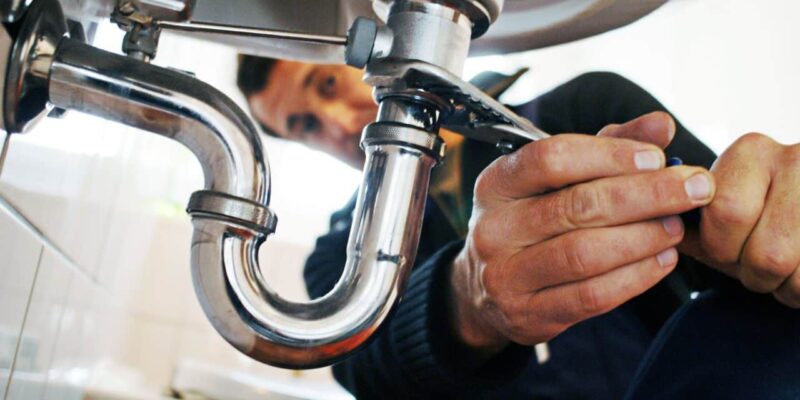
DIY tools have their place — but only so far for small clogs near the drain opening. A plastic strip is an easy way to catch hair near a shower drain. A plunger can dislodge a minor blockage. A little hand snake might go a little way into the line. Professional equipment can go further, clean more thoroughly, and address the problem more accurately. The motorized drain machines can cut through heavy buildup. Hydro jetting can clean the pipe walls of heavy grease and residue if the plumbing condition allows. Camera inspections will locate the exact location and type of blockage, eliminating the guesswork. That takes the repair from trial and error to a targeted solution. The benefit is not only that the water drains again, but that the cause is known. When a pro removes the actual obstruction, inspects the line, and explains what caused the problem, homeowners can make better decisions about maintenance and future prevention.
Knowing When to Stop Trying
DIY drain repair may be a solution for small, simple clogs. However, it shouldn’t be a recurring issue. If the drains begin to slow down again, smell bad, gurgle, back up, or affect more than one fixture, the problem may be beyond household tools. Calling a pro can save your pipes, minimize mess, and reveal the true cause before damage spreads. A good cleaning can also be a time-saver, as the same temporizing steps won’t need to be repeated every week. When the drain keeps warning you, it’s often a smarter move to stop early.