 By
By Selecting new home garage doors is an important decision that influences both the appearance and functionality of a house. Garage doors are often one of the largest visual elements on a home’s exterior, so their style, material, and performance contribute significantly to curb appeal. Beyond aesthetics, the right garage door can provide security, energy efficiency, and durability, making it an essential feature for homeowners investing in their property.
Understanding Different Types of New Home Garage Doors
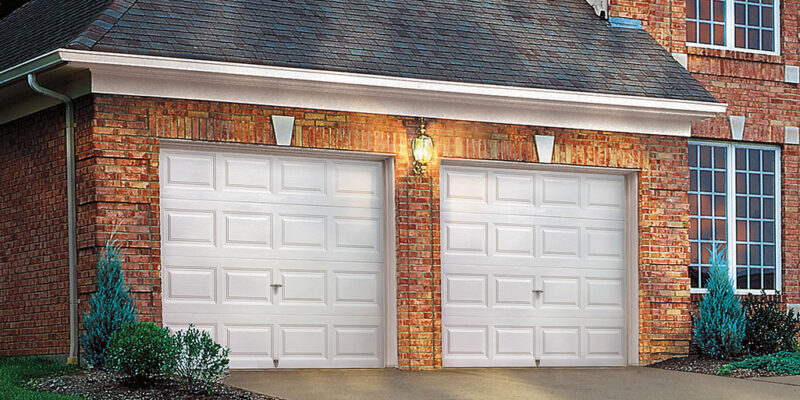
New home garage doors come in a variety of styles and materials designed to fit diverse architectural looks and personal preferences. Traditional raised-panel doors remain popular, offering a classic appearance that suits many homes. For a more modern or contemporary look, flat-panel or flush designs offer clean lines and simplicity.
Materials play a key role in the door’s performance and longevity. Steel doors are among the most common choices due to their strength, affordability, and low maintenance needs. Wood garage doors provide a warm, natural aesthetic, but they require more upkeep to prevent damage from weather. Aluminum and glass doors appeal to homeowners seeking a sleek, modern style, often combined with energy-efficient features.
Choosing the right type depends on the homeowner’s priorities, whether that’s durability, appearance, insulation, or cost. Many new home garage doors also offer customizable options like windows, decorative hardware, and finishes to match the home’s exterior.
The Importance of Energy Efficiency and Insulation
Energy efficiency is an increasingly important factor when selecting new home garage doors. Insulated doors help maintain a more stable temperature inside the garage, which can be crucial for homes with attached garages. Proper insulation reduces heat loss in winter and heat gain in summer, helping to lower energy bills and protect items stored in the garage from extreme temperatures.
Garage doors with polyurethane or polystyrene insulation offer varying levels of thermal resistance. The thickness and type of insulation impact the door’s R-value, a measurement of its effectiveness at resisting heat flow. Homeowners in regions with harsh climates often prioritize higher R-values for better energy performance.
Beyond insulation, weatherstripping and tight seals around the door frame prevent drafts and moisture intrusion. These features improve overall comfort and protect the garage structure from damage caused by water or pests. Investing in energy-efficient new home garage doors adds value to the property while contributing to environmental sustainability.
Security and Durability Considerations for New Garage Doors
Security is a vital aspect of any new home garage doors. The garage often stores valuable tools, vehicles, and equipment, making it a potential target for break-ins. Modern garage doors include advanced locking mechanisms and materials designed to resist forced entry.
Steel doors provide robust protection due to their sturdy construction, while wood doors require reinforced frames and secure locks to enhance safety. Some homeowners choose garage doors equipped with smart technology, such as remote monitoring and automatic locking systems, adding convenience and an extra layer of security.
Durability is equally important since garage doors endure constant use and exposure to weather elements. Resistance to rust, dents, and warping prolongs the lifespan of the door. Finishes that repel moisture and ultraviolet rays help maintain the door’s appearance over time. Selecting new home garage doors with high-quality materials ensures long-lasting performance and peace of mind for homeowners.
Selecting the Right Garage Door for Your Home’s Style
Matching new home garage doors to the architectural style of the house elevates curb appeal and creates a cohesive look. For traditional homes, carriage-style doors with decorative hardware and wood accents offer a timeless charm. Contemporary homes benefit from sleek, minimalist doors often made of glass panels or smooth metal.
Color choice also plays a role in blending the garage door with the overall exterior palette. Neutral tones like white, beige, or gray provide versatility, while bold colors can make a statement. Homeowners sometimes opt for custom finishes that replicate natural wood grain or incorporate unique textures.
Consulting with design professionals or using visualization tools can help homeowners preview how different garage door styles will complement their new home. Choosing doors that reflect personal taste while enhancing the property’s character is a worthwhile investment.