 By
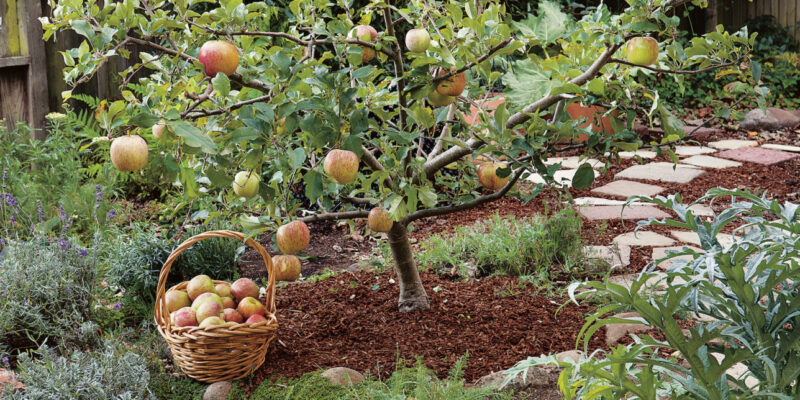
By Fruit trees suit wildlife-friendly gardens because they do several jobs at once. They flower for pollinators, hold fruit for people, create structure for birds, improve seasonal variety, and add a living framework around which smaller planting can develop.
A wildlife-friendly fruit tree does not mean neglecting the crop or letting the garden become chaotic. It means choosing and managing the tree so people, pollinators, soil life, and the wider garden all benefit from the same planting decision.
Fruit-Trees, the fruit tree specialists, note gardeners to begin with the real behaviour of the site rather than with a favourite variety name. The strongest wildlife value comes from a healthy tree in a suitable position, supported by nearby planting and sensible harvest care. For wildlife-friendly gardens, the strongest choices come from connecting mature size, soil, shelter, pollination, and harvest use before the order is placed. That approach keeps the tree practical, attractive, and easier to care for as it settles into the garden. It also gives the gardener a clearer reason for the purchase, because the tree is being selected for a defined role rather than for a quick burst of enthusiasm. The guidance is deliberately practical for wildlife-friendly gardens: inspect the site, picture the mature framework, and decide how the crop will be used before committing to the tree. That advice also keeps the first few years in view, when watering, mulching, formative pruning, and patient observation matter more than the excitement of a new planting. A tree chosen with those checks in mind has a clearer role and a better chance of becoming a settled part of the garden.
This approach treats blossom, foliage, fruit, windfalls, and winter structure as part of one garden system. It is practical enough for family gardens and gentle enough to support nature.
The aim is balance. A tree that is healthy, reachable, and well matched to the site contributes more to wildlife than a stressed tree planted in the wrong place.
The following sections keep wildlife-friendly fruit tree planting practical by treating the tree as part of a living garden rather than as a single purchase. For gardeners who want crops, blossom, and more life in the garden, that distinction matters because the best choice has to work on planting day, through establishment, and after the first meaningful crops appear. A calm plan also leaves room for the gardener to adapt. Weather, soil, household routines, and neighbouring planting all change, so the tree should be selected with enough thought to remain useful when those conditions shift.
It is also useful to think about wildlife-friendly gardens beyond the first successful season. A young fruit tree often looks like a small decision, but its value grows through repeated care: the first strong root growth, the first balanced framework, the first blossom that sets properly, and the first harvest that the household genuinely uses. That longer view keeps the article grounded in practical gardening rather than quick selection, and it helps the chosen tree become part of the garden’s future instead of a separate project.
Choose Blossom That Supports Pollinators
Spring blossom is both ornamental and functional. A fruit tree is a generous plant, but it is not a shortcut. It responds best when the gardener gives it a clear role and enough room for that role to develop.
In practice, the gardener should place the tree where flowers are visible, sheltered, and accessible to insects. This keeps the tree connected to real use and real care. It also helps decide whether a compact, trained, container-grown, or free-standing form is the most sensible answer.
cold or wet springs can shorten pollinator activity, so every good flowering window matters In Britain, small shifts in shelter and moisture often decide whether a tree feels comfortable or constantly stressed. Those details deserve to be checked before the planting hole is opened.
The common trap is thinking of blossom only as a display. A better choice creates fewer hidden jobs. The tree becomes an early source of food and interest. Blossom also begins the journey toward fruit set.
A simple test is to imagine the tree three seasons after planting, when the first enthusiasm has passed and routine care matters more than novelty. If place the tree where flowers are visible, sheltered, and accessible to insects still sounds realistic at that point, the choice is probably grounded. If it already feels awkward, the gardener has found a warning sign before any money, space, or planting time has been committed.
Plant Around the Tree With Restraint
The planting beneath and near the tree should help rather than compete. This matters because wildlife-friendly fruit tree planting is shaped by ordinary garden conditions before it is shaped by any catalogue description. For gardeners who want crops, blossom, and more life in the garden, the useful decision is the one that connects the tree to the place where it will actually grow, not to an ideal version of the plot.
The practical work is to use modest bulbs, herbs, groundcover, or pollinator plants while keeping the root zone clear enough for care. These checks sound modest, yet they influence root growth, pruning confidence, access to the crop, and the way the tree sits among surrounding planting. A young tree arrives small enough to tempt compromise, but its mature framework is less forgiving.
In British gardens, damp conditions and dense planting can reduce airflow around young trees That local detail is often more important than a general rule, because two positions in the same garden can behave differently after rain, frost, wind, or a dry spell. Careful selection gives the tree conditions it can use.
The avoidable mistake is crowding the base before roots have established. When that happens, the tree may grow, but it often asks for more correction than the gardener expected. The garden gains habitat without weakening the tree. Underplanting can become richer as the tree matures.
A simple test is to imagine the tree three seasons after planting, when the first enthusiasm has passed and routine care matters more than novelty. If use modest bulbs, herbs, groundcover, or pollinator plants while keeping the root zone clear enough for care still sounds realistic at that point, the choice is probably grounded. If it already feels awkward, the gardener has found a warning sign before any money, space, or planting time has been committed.
Think About Fruit for People and Wildlife
Fruit is useful in more than one way. The question is not only whether the tree can survive, but whether it can become pleasant to manage. A fruit tree that fits the garden gives the gardener more confidence each season, while a poor match tends to reveal itself through awkward pruning, weak cropping, or inconvenient access.
A sensible approach is to harvest promptly, share or store the crop, and clear excess fallen fruit when it becomes messy. This turns selection into a series of visible checks rather than a vague hope. The gardener can picture the tree during watering, flowering, harvest, leaf fall, and winter pruning, which makes the final choice much less abstract.
wet autumn weather can make neglected windfalls unpleasant on paths or lawns In a UK setting, that point deserves attention because light, soil, shelter, and weather change quickly across short distances. The same variety can behave differently against a warm wall, in a heavy lawn, or beside a shaded boundary.
The risk is leaving every fallen fruit until it creates hygiene or wasp problems. It is usually easier to prevent that problem than to solve it once the tree has rooted. The garden stays active and pleasant. A small amount of managed fallen fruit can still support garden life.
This also helps the gardener compare options more calmly. Instead of asking which tree looks most appealing in isolation, the better question is which tree makes the garden stays active and pleasant. The answer may be less dramatic, but it is usually more durable, especially where the garden has limited space or changeable conditions.
Use the Tree as Living Structure
Wildlife-friendly value grows as the tree develops structure. This is where selection becomes more than preference. The tree has to fit a real pattern of use, whether that means family meals, wildlife interest, a narrow border, a visible boundary, or a calmer maintenance routine.
The practical step is to maintain a balanced framework, avoid unnecessary stress, and let the canopy mature steadily. A gardener who does this before ordering is less likely to be surprised by the amount of space, support, watering, or pruning the tree needs. It also makes the choice feel intentional rather than improvised.
British conditions add another layer: urban and suburban gardens often lack mature habitat, so even one tree matters A good decision respects those limits without becoming timid. It chooses a tree that has enough strength for the site and enough restraint for the space.
Problems often begin with judging value only by the first crop. The result can be a tree that is technically alive but never quite satisfying. The tree supports insects, birds, and visual interest over time. Bare branches, blossom, leaves, and fruit each play a role.
The decision should leave the gardener with a practical picture of next season: where the tree stands, how it is reached, when it is checked, and what success looks like. That picture is valuable because fruit trees improve through repeated observation. A clear first choice makes those later observations easier to understand and easier to act on.
Choose Health Before Drama
A healthy tree contributes more than a dramatic but unsuitable choice. The best gardeners often think several seasons ahead at this point. They imagine the tree in leaf, in blossom, carrying fruit, and standing bare in winter, because each version of the tree affects the garden differently.
That longer view makes it important to select a fruit type, rootstock, and form that suit the soil, light, and care available. These details decide whether the tree remains easy to reach and easy to understand once it has settled. They also protect the gardener from choosing a tree that looks neat only while it is young.
disease pressure rises where air is still, shade is heavy, or the tree is stressed That is why local observation matters. A site that looks open and simple in summer can be wet, shaded, windy, or frost-prone at the very moment a fruit tree needs steadier conditions.
The weaker choice is choosing novelty over suitability. It creates pressure that pruning or feeding cannot always remove. The tree needs less intervention and supports more life. Resilient growth makes ordinary pest presence easier to tolerate. For many households, the choice to buy fruit trees is also a choice to make the garden more alive through the year.
It is worth being honest at this stage because correction is always slower than selection. A tree planted in a poor position may still grow, but it asks the gardener to compensate year after year. A tree selected with this point in mind starts with fewer avoidable problems and a clearer reason to belong.
Let Wildlife Value Build Patiently
A fruit tree becomes richer habitat with age. A fruit tree is a generous plant, but it is not a shortcut. It responds best when the gardener gives it a clear role and enough room for that role to develop.
In practice, the gardener should observe how insects, birds, soil, shade, and surrounding plants respond over several years. This keeps the tree connected to real use and real care. It also helps decide whether a compact, trained, container-grown, or free-standing form is the most sensible answer.
garden ecosystems build gradually, especially in smaller plots In Britain, small shifts in shelter and moisture often decide whether a tree feels comfortable or constantly stressed. Those details deserve to be checked before the planting hole is opened.
The common trap is expecting instant transformation from one planting decision. A better choice creates fewer hidden jobs. The garden develops a more layered and useful character. Each year adds new relationships around the tree.
A simple test is to imagine the tree three seasons after planting, when the first enthusiasm has passed and routine care matters more than novelty. If observe how insects, birds, soil, shade, and surrounding plants respond over several years still sounds realistic at that point, the choice is probably grounded. If it already feels awkward, the gardener has found a warning sign before any money, space, or planting time has been committed.