
 By
By Furniture, in its essence, is far more than functional decor. It is the silent architecture of our daily lives—bearing witness to conversations, rest, work, and celebrations. From the elegance of a mid-century armchair to the simplicity of a well-placed console table, furniture shapes the ambiance, utility, and identity of every space. Thoughtfully chosen pieces bring harmony, style, and soul to interiors, whether you are outfitting a modern apartment, a rustic retreat, or a traditional home. In this comprehensive guide, we delve into the world of furniture with insight, grace, and purpose—helping you make selections that are as refined as they are practical.
The Foundation of Interior Aesthetics
Furniture defines the spatial layout and aesthetic direction of a room. Before selecting individual pieces, it’s vital to understand how furniture acts as a visual anchor. It informs color palettes, influences lighting choices, and frames movement through a space. A beautifully designed piece can elevate even the most modest setting, becoming a focal point or a subtle backdrop, depending on your design intent.
Key Roles of Furniture in Interior Design:
-
Functionality: Every piece should serve a clear purpose, whether it’s for seating, storage, dining, or display.
-
Flow and Layout: Furniture determines how people navigate a space and engage with it.
-
Visual Weight and Balance: Well-proportioned pieces maintain equilibrium and avoid clutter or emptiness.
-
Style Direction: Furniture sets the tone—modern, traditional, industrial, bohemian, or eclectic.
Begin with Purpose: Function First, Always
Beautiful furniture should also be purposeful. Before falling for the look of a piece, consider its function within your lifestyle. A designer couch may be alluring, but does it offer the comfort and durability your family room demands? That chic glass coffee table may be visually striking, but will it survive a toddler-filled home?
Questions to Ask Before Buying:
-
What daily functions will this piece serve?
-
Does it suit the scale of the room?
-
Is it comfortable, sturdy, and low-maintenance?
-
How will it pair with existing pieces?
Choosing furniture with intention ensures longevity, satisfaction, and seamless integration into your daily life.
Signature Styles: Choosing a Cohesive Theme
The most compelling interiors exhibit stylistic cohesion—a visual thread that ties the room together. While mixing styles can be dynamic, a unifying theme offers clarity and elegance. Begin by identifying your preferred aesthetic and allow it to guide your furniture choices.
Popular Furniture Styles:
-
Mid-Century Modern: Clean lines, tapered legs, and functional minimalism.
-
Traditional: Ornate details, rich woods, and classic silhouettes.
-
Scandinavian: Light woods, soft tones, and minimalist warmth.
-
Industrial: Metal accents, reclaimed wood, and exposed framework.
-
Bohemian: Eclectic patterns, vintage flair, and layered textures.
When blending styles, use common elements like color or material to create harmony across different design periods.
Investing in Quality: Timeless over Trendy
In a world saturated with fast furniture, investing in timeless, high-quality pieces is both sustainable and sophisticated. Quality furniture not only lasts longer but also tells a story—often improving with age and acquiring character through use.
How to Recognize Quality Furniture:
-
Materials: Look for solid wood, high-grade metals, or real leather instead of particle board or synthetic imitations.
-
Construction: Dovetail joints, mortise and tenon, or reinforced corners indicate superior craftsmanship.
-
Finish and Upholstery: Check for consistent finishes, tightly pulled fabric, and high-resilience foam or feather filling.
-
Warranty and Brand Reputation: Trusted manufacturers often back their pieces with warranties or heritage craftsmanship.
Timeless furniture may come with a higher price tag, but its durability and classic design make it a worthwhile investment over time.
Smart Space Planning: The Elegance of Proportion
One of the most common furnishing mistakes is poor spatial awareness. Even the most beautiful furniture will underwhelm if crammed into a space or dwarfed by surrounding items. Understanding proportion and scale is crucial in achieving visual balance and comfort.
Space Planning Tips:
-
Measure each room and mark out floor plans before purchasing.
-
Leave ample clearance (usually 18–36 inches) for walkways.
-
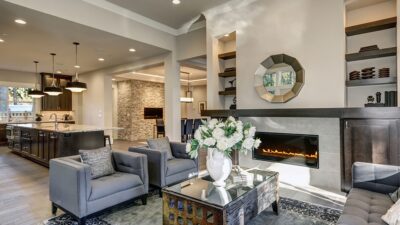
Use area rugs to define zones and unify grouped furniture.
-
Avoid placing all large items against the walls; allow for breathing room.
When arranged thoughtfully, furniture can make even the smallest space feel open and inviting.
The Power of Statement Pieces
While cohesion is key, a well-chosen statement piece brings personality and drama to a room. This could be an iconic designer chair, a bold-colored velvet sofa, or an artisan-crafted dining table.
Features of Memorable Statement Pieces:
-
Unusual shapes or exaggerated scale.
-
Rich materials like marble, brass, or leather.
-
Eye-catching colors or textures.
-
Design pedigree—classic or contemporary.
Let statement pieces shine by surrounding them with subtler companions, ensuring balance and sophistication.
Function Meets Flexibility: Modular and Multi-Purpose Furniture
Modern living calls for adaptability. Modular and multi-functional furniture is ideal for those living in urban environments or smaller homes. It allows for customization, space-saving, and practicality without sacrificing style.
Examples of Versatile Furniture:
-
Sleeper sofas or murphy beds for guest accommodation.
-
Nesting tables that expand as needed.
-
Ottomans with hidden storage.
-
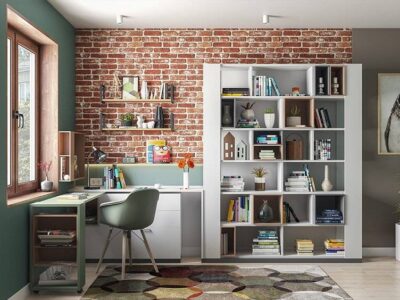
Modular shelving units adaptable to changing needs.
These pieces offer clever solutions for evolving lifestyles and living arrangements.
Sustainability and Conscious Consumption
Today’s discerning homeowner is increasingly interested in furniture that aligns with ethical and environmental values. Choosing sustainably sourced, responsibly made, or upcycled furniture helps reduce your ecological footprint while supporting artisan communities.
Sustainable Furniture Choices:
-
FSC-certified wood and non-toxic finishes.
-
Vintage or antique pieces restored to modern standards.
-
Brands committed to eco-friendly practices and fair labor.
A conscious approach to furniture selection adds depth and purpose to your interiors.
Bringing it All Together: Accessorize with Intention
Furniture alone doesn’t complete a space—it’s the supporting cast of textiles, lighting, and accessories that rounds out the atmosphere. Pair furnishings with complementary cushions, throws, rugs, and art to enhance comfort and visual interest.
Finishing Touches to Consider:
-
Layered textiles for warmth and color.
-
Accent lighting to highlight key pieces.
-
Personal items like books, ceramics, or collectibles for charm.
-
Greenery or flowers to breathe life into the setting.
These subtle enhancements transform furniture from static to soulful.
Conclusion: Curating Spaces with Purpose and Poise
Furniture is the poetry of space—each piece contributing rhythm, tone, and voice to the overall composition of your home. Choosing furniture should be a journey of discovery, guided by your lifestyle, values, and design intuition. With a balance of function, beauty, and character, you can curate spaces that not only reflect who you are but also inspire how you live. In a well-furnished home, elegance is never loud—it speaks in comfort, proportion, and timeless grace.