
 By
By Remodeling a home is more than a construction project—it is a transformation of space, experience, and emotion. Whether updating a single room or undertaking a whole-house renovation, remodeling provides an opportunity to enhance your lifestyle, reflect your personal aesthetic, and increase the value of your property. But beyond the allure of glossy finishes and contemporary layouts lies a nuanced process that blends vision, planning, and execution. Done right, remodeling not only breathes new life into tired spaces but also builds a more functional, beautiful, and deeply personal environment.
This comprehensive guide explores the many facets of remodeling—from conceptualization to completion—offering refined insights that go beyond the superficial. It’s an invitation to reimagine what your home can be, with grace and intelligence.
Why Remodel? Understanding the Impetus Behind Renovation
Home remodeling is often sparked by a desire for improvement, but the motivations are as varied as the homeowners themselves. Understanding your core reason for remodeling will help guide your decisions and prioritize your goals.
Common Motivations Include:
-
Functionality Improvements: Updating an outdated kitchen, adding more storage, or improving traffic flow.
-
Aesthetic Refresh: Aligning your home’s style with your current taste or lifestyle changes.
-
Energy Efficiency: Incorporating green technologies, better insulation, or efficient appliances.
-
Increased Property Value: Preparing to sell or invest in long-term equity.
-
Lifestyle Changes: Accommodating a growing family, aging in place, or creating a home office.
Having a clear purpose ensures your remodel stays focused and delivers meaningful results.
Vision Meets Reality: The Importance of Planning
Successful remodeling is the product of meticulous planning. Without it, even the most stylish renovations can veer into costly chaos. Begin by defining your scope, setting a realistic budget, and establishing a timeline.
Steps to an Effective Remodeling Plan:
-
Assess Your Current Space: Identify pain points and potential improvements.
-
Create a Wish List and Prioritize: Separate “must-haves” from “nice-to-haves.”
-
Set a Budget: Include a contingency fund (typically 10–20%) for unexpected expenses.
-
Hire Professionals: Architects, designers, and contractors can bring technical knowledge and creativity.
-
Secure Permits and Approvals: Ensure your project complies with local building codes.
A well-conceived plan lays the foundation for a smooth remodeling journey.
Design with Intention: Blending Function and Aesthetics
Design should never be an afterthought in a remodel—it is the very language of transformation. Every material, color, and layout choice should serve both form and function.
Design Considerations for a Successful Remodel:
-
Cohesion with Existing Architecture: Honor the home’s character while introducing fresh elements.
-
Natural Light and Flow: Maximize sunlight, sightlines, and easy movement between rooms.
-
Materials with Longevity: Choose finishes that are durable, timeless, and low-maintenance.
-
Customization vs. Universality: Tailor details to your lifestyle, but keep resale appeal in mind.
Thoughtful design elevates the space while reflecting the unique rhythms of your daily life.
Room-by-Room: High-Impact Remodeling Ideas
Some rooms offer particularly high returns on investment, both in lifestyle and property value. Focusing on these areas can provide maximum benefit.
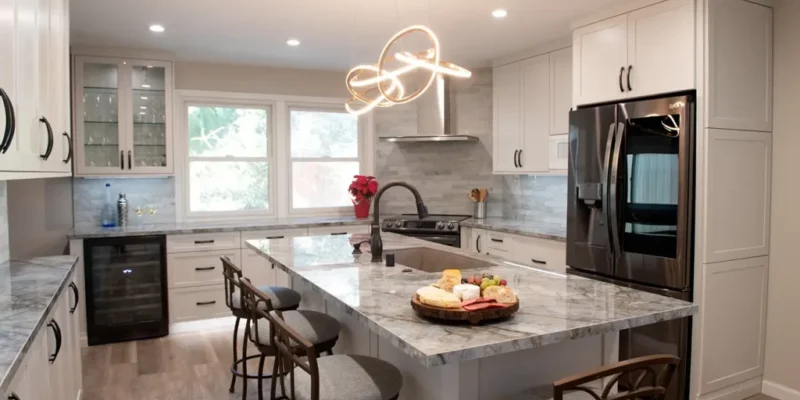
1. Kitchen Remodeling:
-
Install custom cabinetry for improved storage.
-
Upgrade to energy-efficient appliances.
-
Add an island for workspace and socialization.
-
Choose statement lighting and backsplash materials for character.
2. Bathroom Remodeling:
-
Incorporate walk-in showers, freestanding tubs, or double vanities.
-
Use large-format tiles for a sleek, modern look.
-
Install underfloor heating for added comfort.
3. Living Room Updates:
-
Open walls to create a more expansive feel.
-
Add built-ins for both form and function.
-
Refresh with layered lighting and refined flooring.
4. Bedroom Retreats:
-
Add walk-in closets or dressing areas.
-
Integrate soft, luxurious finishes for a tranquil environment.
5. Outdoor Remodeling:
-
Design patios or decks for year-round entertaining.
-
Add an outdoor kitchen or fire pit for added usability.
Focusing on these key areas can significantly uplift the atmosphere and utility of your home.
The Role of Professional Help: When to DIY and When to Delegate
While DIY enthusiasm is admirable, bathroom remodeling and many other home renovation projects often demand the skill and experience of trained professionals. Understanding where to draw the line can save time, money, and headaches.
When to Hire Professionals:
-
Structural changes or major demolitions.
-
Electrical or plumbing updates.
-
Design consultation for large-scale projects.
-
Custom cabinetry or tile installation.
When DIY Might Work:
-
Painting or wallpapering.
-
Updating hardware or light fixtures.
-
Simple landscaping or outdoor improvements.
Balance your skills and schedule with the complexity of the task to determine the best approach.
Sustainable Remodeling: Beauty with Responsibility
Sustainability is no longer a trend—it’s a responsibility. Incorporating eco-friendly practices into your remodel can reduce environmental impact while enhancing comfort and efficiency.
Sustainable Remodeling Tips:
-
Use reclaimed or sustainably sourced materials.
-
Install low-flow fixtures and LED lighting.
-
Choose insulation and windows that improve thermal performance.
-
Incorporate solar panels or rainwater harvesting systems.
Not only is green remodeling better for the planet, it can also lead to long-term savings and healthier living conditions.
Avoiding Common Pitfalls: Lessons from Experience
Even the most meticulously planned remodels can encounter obstacles. Being aware of common mistakes helps you avoid them.
Common Remodeling Mistakes:
-
Underestimating the budget or timeline.
-
Over-customizing for personal taste at the expense of resale.
-
Ignoring flow and functionality in favor of aesthetics.
-
Hiring unlicensed or poorly reviewed contractors.
Maintaining flexibility, communication, and realistic expectations will help keep your project on track.
Bringing It All Together: Finishing Touches That Make a Difference
Once the heavy lifting is complete, it’s the final details that bring warmth, cohesion, and identity to the remodel. Don’t rush this stage—it’s where your personality shines.
Final Styling Tips:
-
Use textiles (rugs, curtains, cushions) to soften new spaces.
-
Add art, plants, and decor that speak to your story.
-
Use lighting not only for function but for atmosphere.
-
Incorporate natural elements like wood, stone, and greenery for balance.
A remodeled home should feel not just updated—but uplifted.
Conclusion: A Home Reimagined
Remodeling is a powerful expression of how we live, evolve, and dream. It is not merely an investment in property, but a deeper investment in comfort, identity, and quality of life. When approached with clarity, care, and creativity, a remodel becomes more than just construction—it becomes a reinvention of space and self. Whether you’re modernizing a classic bungalow or opening up a city loft, let your remodeling journey be guided by purpose, executed with elegance, and finished with pride. Because in the end, a truly remodeled home is not just different—it’s better in every way that matters.