 By
By Living in a small apartment often feels like a constant juggling act between functionality, aesthetics, and basic comfort. When floor space is limited, traditional interior decorating strategies fall short. Overcrowding a small layout with bulky furniture or heavy decor quickly results in a cramped, chaotic living area. However, compact square footage does not mean sacrificing style or comfort.
Maximizing space efficiency requires deliberate planning, smart furniture choices, and intentional visual tricks. By applying proven interior design techniques, you can transform even the smallest studio or one-bedroom apartment into an open, airy, and organized home.
Master the Art of Vertical Space
When horizontal floor space is tight, look up. Walls offer substantial unused real estate that holds storage and decorative elements without stealing foot traffic area.
-
Install High Floating Shelving: Mount floating shelves near the ceiling to store items you do not use every day, such as seasonal decor or extra books. Drawing the eye upward also creates an illusion of higher ceilings.
-
Utilize Wall-Mounted Desks and Drop-Leaf Tables: Swap traditional standing desks or dining tables for wall-mounted fold-down options. Fold them up when working or eating, and drop them flat against the wall when you need clear floor space.
-
Hang Vertical Pegboards: Pegboards work remarkably well in small kitchens, entryways, and home offices. Customize them with hooks, small baskets, and mini shelves to keep clutter off counter surfaces.
-
Extend Cabinets to the Ceiling: If you are customizing cabinetry or choosing bookcases, pick floor-to-ceiling units. This eliminates dusty dead space above cabinets and provides maximal vertical storage capacity.
Invest in Multi-Functional Furniture
Every furniture piece in a small apartment should earn its keep, ideally serving at least two functions. Dual-purpose furniture minimizes the total number of items needed in a room while maximizing practical utility.
Storage-Centric Seating
Opt for living room ottomans, bench seats, and bed frames that feature hidden lift-top storage compartments or built-in drawers. A storage ottoman serves as a comfortable footrest, extra seating for guests, a coffee table when topped with a flat tray, and a hidden bin for extra blankets or board games.
Convertible Sleeping Solutions
If you live in a studio apartment, traditional beds devour valuable floor space during waking hours. Consider modern wall beds (Murphy beds) that tuck away seamlessly behind stylish cabinetry during the day. Alternatively, high-quality daybeds or sleeper sofas with memory foam mattresses allow your bedroom area to double as a cozy living space.
Harness Visual Tricks with Light and Color
Visual perception plays a massive role in how spacious an apartment feels. Strategic color choices and light reflections trick the human brain into perceiving small rooms as larger and brighter than they actually are.
Strategic Color Palettes
Stick to cohesive, light color palettes across your entire apartment. Light neutrals such as soft white, warm cream, gentle beige, and light gray reflect natural light, making walls visually recede.
Painting baseboards, walls, and trim the exact same light shade creates seamless visual continuity, blurring the boundaries where surfaces meet. If you crave bold colors, introduce them through accent pillows, artwork, rug patterns, or throw blankets rather than painting entire walls dark tones.
Mirror Placement for Depth
Mirrors reflect natural and artificial light while projecting depth across a room. Hanging a large full-length mirror opposite a window bounces natural light back into dark corners, creating the optical illusion of an additional window and doubled floor space.
Choose Furniture with Raised Legs and Slender Frames
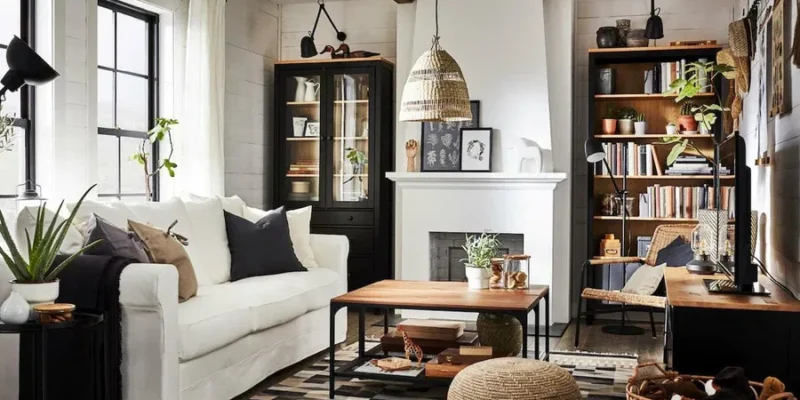
Bulky furniture that sits flat on the floor acts like a visual wall, blocking light and making spaces feel dense. Choosing pieces with exposed legs lifts the mass off the floor, allowing light and air to move freely around the room.
-
Opt for Mid-Century Modern Profiles: Chairs, sofas, and sideboards with tapered wooden or metal legs create an airy feel by keeping the floor visible beneath them.
-
Select Glass or Acrylic Surfaces: Transparent furniture, such as acrylic ghost chairs or glass-topped coffee tables, provides full functional surface area without adding visual weight.
-
Avoid Skirted Upholstery: Steer clear of sofas or armchairs with heavy fabric skirts that reach down to the carpet. Exposed legs make any room feel instantly lighter.
Define Zones Without Building Walls
Living in a studio apartment or open-concept small home requires establishing distinct areas for sleeping, working, lounging, and dining. Traditional room divider screens can feel clunky and block light, so use subtle visual cues instead.
Anchor Spaces with Area Rugs
Place distinct area rugs under individual functional zones. A woven wool rug beneath your sofa defines the living room area, while a small vintage runner under a bistro set outlines your dining space. Rugs establish clear boundaries without constructing physical barriers.
Strategic Furniture Placement
Position the back of your sofa away from the living area to face toward the television or coffee table. The clean back profile of the couch serves as an open room divider, separating the living room from the kitchen or sleeping area behind it.
Curate and Declutter Ruthlessly
No amount of smart design or compact furniture can save a small space overwhelmed by physical clutter. Adopting a mindful approach to belongings is necessary for long-term space efficiency.
Implement the “one in, one out” rule: whenever you bring a new piece of clothing, kitchen appliance, or decor item into your apartment, remove an existing item. Keep flat surfaces like countertops, dining tables, and coffee tables eighty percent clear at all times to maintain a calm, ordered atmosphere.
Frequently Asked Questions
What is the best rug size for a small living room?
Choose an area rug large enough so that at least the front legs of all major seating pieces rest on top of it. A rug that is too small floats in the middle of the floor, creating a fragmented look that makes the room appear smaller than it actually is.
How can I make my small apartment entry space functional?
Install a wall-mounted coat rack or pegboard alongside a narrow shoe bench with built-in lower shelves. Adding a wall mirror above a slim console table creates a functional drop zone for keys and mail without encroaching on hall space.
Are dark paint colors completely forbidden in small apartments?
No, dark colors are not forbidden. While light colors reflect more natural light, a rich dark color in a small half-bathroom or bedroom can create a cozy, dramatic aesthetic. Keep the ceiling white to maintain a feeling of height.
How do I arrange furniture in a long, narrow living room?
Avoid lining all your furniture along one long wall, which creates an unpleasant bowling alley effect. Instead, break the room into two distinct functional zones, pull furniture slightly away from walls, and use round coffee tables to soften rigid linear angles.
What window treatments work best for compact apartments?
Hang lightweight, floor-length sheer curtains or clean roller shades. Mount curtain rods several inches higher than the actual window frame, running them close to the ceiling line. This lifts the viewer’s eye upward and makes short windows feel much taller.
How can I add green plants without taking up surface area?
Use hanging ceiling planters, wall-mounted pocket pots, or vertical plant stands that hold multiple pots vertically. You can also place small potted succulents on high floating shelves to enjoy greenery without crowding your desks or countertops.
What is the most space-efficient dining solution for small homes?
A round drop-leaf dining table paired with stackable chairs offers maximum space efficiency. Round tables lack sharp corners, making navigation around them easy, while drop-leaf panels allow the table to sit flat against a wall when not in use.