 By
By A cooling system often gives warning signs before it fails completely. The problem is that many homeowners ignore those signs until the weather becomes extremely hot. During a heatwave, even a small issue can turn into a serious comfort problem because the system has to work harder for longer periods.
If an air conditioner is already struggling, peak summer heat can expose weak parts, poor airflow, low performance, or maintenance issues. Paying attention early can help homeowners avoid sudden breakdowns, uncomfortable rooms, higher energy bills, and urgent repair stress.
Weak Airflow From Vents or Indoor Units
Weak airflow is one of the most common signs that a cooling system may not be performing properly. If the air coming from vents or indoor units feels weaker than usual, the system may struggle during extreme heat.
Possible causes include:
- Dirty filters
- Blocked vents
- Fan problems
- Duct issues
- Motor wear
- Poor system maintenance
- Obstructions near indoor or outdoor units
Weak airflow can make rooms take much longer to cool. During a heatwave, this can become a major issue because the system may run continuously without reaching a comfortable temperature.
Rooms Cooling Unevenly
If one room feels cool while another stays warm, the system may not be distributing air properly. This is especially common in larger homes, older properties, upstairs rooms, or homes with poor zoning.
Uneven cooling may be caused by airflow restrictions, blocked ducts, poor insulation, incorrect system sizing, or a unit that is losing efficiency.
Homeowners should not ignore uneven temperatures, especially if the issue is getting worse. A system that cannot cool rooms evenly in mild weather may struggle much more when outdoor temperatures rise.
The System Runs for Too Long
An air conditioner should not need to run constantly to maintain comfort. If the system keeps running for long periods and the home still does not feel cool, something may be wrong.
This can happen when:
- Filters are dirty
- Refrigerant levels are low
- The system is too small for the home
- The outdoor unit is struggling
- Insulation is poor
- Air is escaping through gaps
- Internal parts are worn
Long running times can increase energy use and place extra pressure on the system. During a heatwave, this pressure can increase the chance of a breakdown.
Strange Noises During Operation
Cooling systems usually make some sound, but new or unusual noises should be taken seriously. Rattling, grinding, buzzing, clicking, banging, or screeching sounds may indicate a mechanical or electrical issue.
A small loose part may become a larger problem if ignored. A worn motor, damaged fan, loose panel, or electrical fault can affect performance and safety.
If a system starts making sounds it did not make before, it is better to have it checked early rather than waiting until it stops working completely.
Warm Air Instead of Cool Air
If the system is running but the air does not feel cool, there may be a performance issue. This can be caused by low refrigerant, compressor problems, thermostat faults, dirty coils, or restricted airflow.
Some homeowners lower the temperature setting further when this happens, but that usually does not solve the problem. It may only force the system to work harder.
If the air is not cooling properly, the system should be inspected before peak heat arrives. People comparing local help for air conditioning repair perth should look for support early, especially when cooling performance has clearly changed.
Higher Energy Bills Without Better Cooling
A sudden increase in energy bills can be a warning sign. If the system is using more power but the home does not feel more comfortable, the air conditioner may be working inefficiently.
This can happen when components are dirty, airflow is restricted, parts are wearing out, or the system is running longer than necessary.
Energy bills can rise during summer, but a noticeable jump combined with poor cooling should not be ignored. It may suggest that the system is struggling before it fails.
Bad Smells When the System Turns On
Unpleasant smells from an air conditioner can point to different problems. A musty smell may suggest moisture, mould, or dirty filters. A burning smell may indicate an electrical issue or overheating component.
Bad smells can also affect indoor air quality. If the system has not been cleaned or serviced for a long time, dust and moisture may build up inside.
Any burning or electrical smell should be treated seriously. The system should be turned off and checked by a professional.
Water Leaks or Moisture Around the Unit
Water around an indoor unit is not something to ignore. It may be caused by a blocked drain, frozen coil, damaged pipe, or installation issue.
A small leak can damage walls, ceilings, floors, or nearby furniture. It can also suggest that the system is not operating correctly.
During hot weather, drainage problems may become worse because the system is working for longer hours. Fixing the issue early can prevent damage and reduce the risk of system failure.
The Thermostat Does Not Seem Accurate
If the thermostat says one temperature but the room feels much warmer, there may be a sensor or control issue. The thermostat may be placed in the wrong location, affected by sunlight, or not communicating properly with the system.
Thermostat problems can cause the system to run too often, not enough, or at the wrong times. This can make comfort inconsistent and increase energy use.
Before assuming the whole system is failing, homeowners should check whether the thermostat is working properly.
The Outdoor Unit Looks Blocked or Dirty
The outdoor unit needs space to release heat. If it is surrounded by leaves, dust, weeds, debris, storage items, or poor ventilation, the system may not perform well.
A blocked outdoor unit can overheat or struggle to cool the home efficiently. During a heatwave, this can become a serious problem.
Homeowners should keep the area around the outdoor unit clear. However, they should avoid opening or repairing the unit themselves. Internal servicing should be handled by a qualified technician.
Frequent On and Off Cycling
If the air conditioner keeps turning on and off quickly, this is known as short cycling. It can be caused by thermostat issues, dirty filters, low refrigerant, electrical problems, or incorrect system sizing.
Short cycling can increase wear on the system and reduce comfort. It may also lead to higher energy use because the system is constantly restarting.
This problem should be checked early because it can place unnecessary stress on the equipment.
The System Has Not Been Serviced in a Long Time
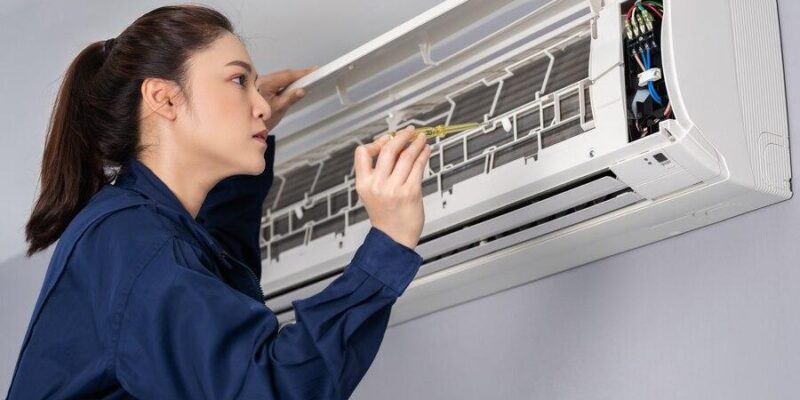
Even if the system seems to be working, lack of maintenance can create hidden problems. Dust, dirt, worn parts, blocked filters, and drainage issues may not be obvious until the system is under heavy demand.
A system that has not been serviced before summer may be more likely to struggle during a heatwave.
Regular servicing can help improve performance, identify faults, and reduce the risk of unexpected breakdowns. It can also help extend the life of the system.
The Home Takes Longer to Cool Than Before
If the home used to cool quickly but now takes much longer, something has changed. The issue may be with the air conditioner, insulation, airflow, filters, windows, or general home heat gain.
This gradual decline is easy to overlook because it happens slowly. Homeowners may adjust by lowering the temperature or running the system longer, but that does not fix the cause.
Longer cooling times are a strong sign that the system should be checked before extreme weather arrives.
Older Systems Need Extra Attention
Older cooling systems are more likely to struggle during heatwaves. Even if they still work, they may be less efficient, noisier, and more vulnerable to breakdowns.
Age alone does not always mean a system needs replacing, but older systems should be monitored closely. If repairs are becoming frequent, performance is declining, or energy bills are rising, it may be time to review the long-term plan.
Sometimes a repair is enough. In other cases, replacement may be more practical. A proper assessment can help homeowners decide.
Preparing Before the Heatwave Arrives
The best time to deal with cooling problems is before the next heatwave. Once temperatures rise, repair services may become busier, parts may take longer to source, and the home may already be uncomfortable.
Homeowners can prepare by:
- Cleaning filters
- Checking airflow
- Clearing outdoor units
- Testing the system before peak heat
- Watching for unusual sounds or smells
- Reviewing energy bills
- Booking servicing if performance has changed
- Improving shading and insulation where needed
Small actions before summer peaks can prevent bigger problems later.
Do Not Ignore Early Warning Signs
A cooling system rarely fails at a convenient time. It is more likely to struggle when it is working hardest, which often means during the hottest days of the year.
Weak airflow, uneven cooling, strange noises, warm air, leaks, bad smells, rising energy bills, and long running times should all be taken seriously. These signs do not always mean the system is about to fail, but they do mean it needs attention.
By acting early, homeowners can reduce the risk of sudden breakdowns and keep their homes more comfortable during extreme heat. A reliable cooling system is not only about comfort during normal summer days. It is about being ready when the next heatwave puts the home to the test.