
 By
By When it comes to designing a timeless, stylish, and functional home, flooring plays an indispensable role. Often overlooked in favor of wall colors or furniture choices, the floors beneath our feet quietly set the tone for an entire space. Flooring doesn’t just impact the aesthetic appeal—it influences comfort, acoustics, maintenance, and even property value. Whether you’re building a new home, renovating an old one, or simply exploring ideas, understanding your flooring options and how they harmonize with your lifestyle is essential. In this article, we delve into the world of flooring, offering expert insights and elegant inspiration to help you choose with confidence and flair.
The Foundation of Design: Why Flooring Matters
A floor is more than a surface—it is a foundational element that defines the character of a room. It serves as the visual and functional base upon which the rest of the interior rests. A thoughtfully chosen floor can:
-
Enhance natural light and room dimensions.
-
Dictate the tone (warm, rustic, modern, elegant, etc.).
-
Influence temperature and sound insulation.
-
Impact comfort and practicality over time.
Given its significance, investing in quality flooring is both an aesthetic and strategic decision.
Understanding Your Lifestyle Needs
Before selecting a flooring material, consider how the space is used. A bustling household with children and pets will have very different requirements compared to a serene studio apartment or a weekend vacation home.
Key Lifestyle Considerations:
-
Traffic Volume: High-traffic areas require durable materials like porcelain tile, vinyl plank, or engineered hardwood.
-
Maintenance Preference: If you prefer low-maintenance options, consider laminate, luxury vinyl, or polished concrete.
-
Climate Compatibility: In humid or coastal regions, moisture-resistant flooring such as tile or vinyl is ideal. For colder climates, wood, cork, or carpet may provide added warmth.
Classic Hardwood: Timeless Elegance Underfoot
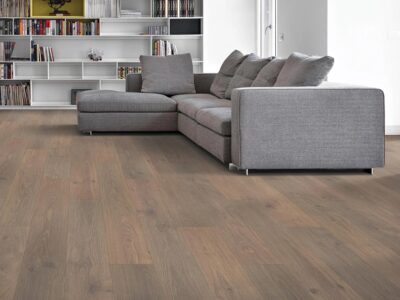
Few materials offer the charm and prestige of genuine hardwood. Known for its warmth, versatility, and natural beauty, hardwood flooring complements both traditional and modern interiors.
Advantages:
-
Long lifespan with proper care.
-
Increases property value.
-
Can be sanded and refinished multiple times.
Popular Hardwood Varieties:
-
Oak: Classic grain pattern and durability.
-
Maple: Smooth texture with subtle grain.
-
Walnut: Rich, dark tones with dramatic grain.
-
Hickory: Distinctive look with strong resilience.
While hardwood is a premium choice, it does require regular care and is sensitive to humidity and scratches.
Engineered Wood: Beauty Meets Practicality
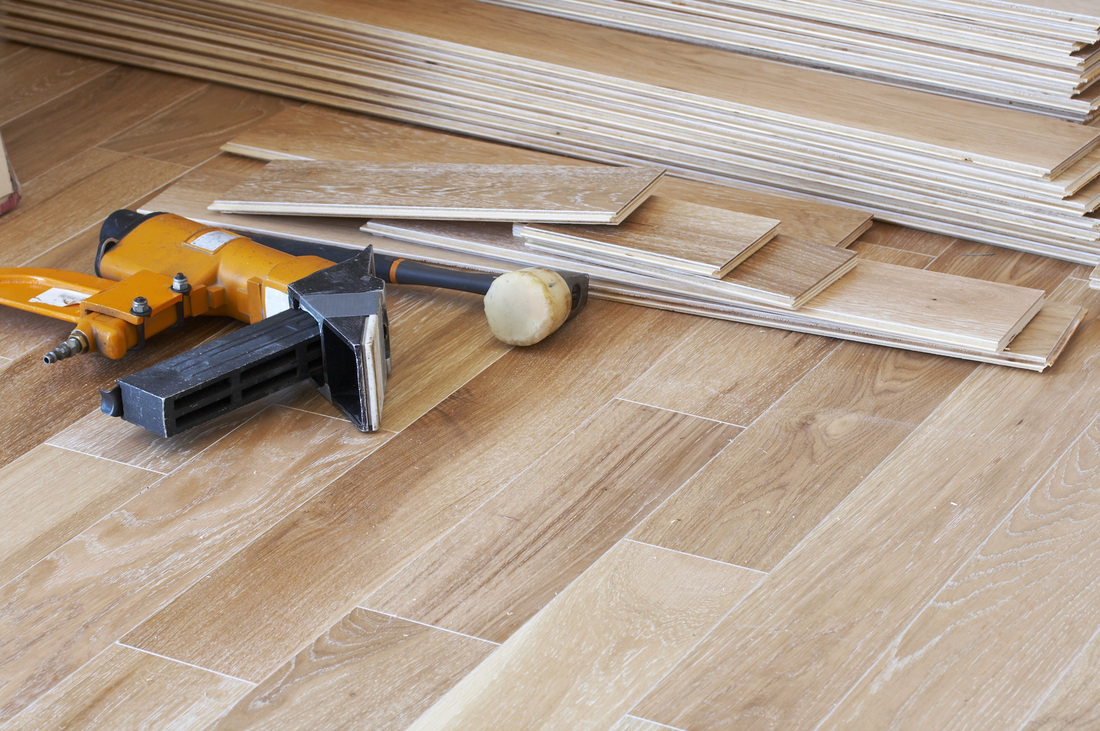
Engineered wood offers the visual appeal of hardwood with added stability and moisture resistance. Constructed from a hardwood veneer layered over plywood or high-density fiberboard, it performs better in changing climates and over radiant heating systems.
Why Choose Engineered Wood?
-
More affordable than solid hardwood.
-
Easier installation, including floating options.
-
Suitable for basements and concrete subfloors.
Luxury Vinyl Plank (LVP): The Rise of Resilient Style
Today’s luxury vinyl flooring is a far cry from its early predecessors. Designed to mimic natural wood or stone, LVP combines style, durability, and water resistance. It’s an excellent choice for families, pet owners, or anyone seeking affordable elegance.
Benefits of LVP:
-
100% waterproof—ideal for kitchens, bathrooms, and basements.
-
Scratch and dent resistant.
-
Soft underfoot and quiet under heavy steps.
Tile Flooring: Artistry in Stone and Ceramic
Tile has long been a staple in Mediterranean, contemporary, and eclectic designs. Available in endless patterns, colors, and finishes, tile is not only visually stunning but also exceptionally durable.
Popular Tile Options:
-
Ceramic: Budget-friendly and versatile.
-
Porcelain: Denser and more water-resistant.
-
Natural Stone (Marble, Slate, Travertine): Adds luxury and character.
Where Tile Excels:
-
Entryways, kitchens, and bathrooms.
-
Areas requiring radiant floor heating.
-
Homes in warm or humid climates.
One thing to keep in mind: tile can feel cold or hard underfoot, though this can be balanced with rugs or underfloor heating systems.
Laminate: A Smart Budget Alternative
Laminate flooring offers a budget-friendly way to achieve the look of hardwood or tile without the associated costs or maintenance. With its layered construction and realistic photographic top layer, modern laminate is durable and attractive.
Pros of Laminate Flooring:
-
Resistant to scratches and fading.
-
Easy installation (click-lock systems).
-
Ideal for living rooms, bedrooms, and hallways.
However, it’s not recommended for wet areas unless specially treated for water resistance.
Carpet: Comfort and Coziness Redefined
For bedrooms, family rooms, or quiet nooks, carpet offers unmatched softness and acoustic dampening. Available in myriad textures, piles, and patterns, carpet adds a sense of warmth and intimacy.
Types of Carpet to Consider:
-
Plush: Luxurious feel, perfect for bedrooms.
-
Berber: Low pile and durable for high-traffic areas.
-
Frieze: Textured look that hides footprints and stains.
While carpet does require more frequent cleaning, it remains a favorite for comfort-oriented homeowners.
Sustainable Flooring: Conscious Living from the Ground Up
Eco-friendly flooring is more than a trend—it’s a commitment to responsible design. Fortunately, there are elegant and sustainable options available today.
Green Flooring Choices:
-
Bamboo: Rapidly renewable and stronger than many hardwoods.
-
Cork: Naturally antimicrobial, insulating, and harvested without killing trees.
-
Reclaimed Wood: Offers unique character and a second life to existing materials.
These options not only support the environment but also offer unique visual appeal and talking points for your home.
Harmonizing Floors with the Rest of the Space
When choosing flooring, think beyond isolated rooms. Strive for visual continuity, especially in open-concept layouts. Coordinating tones, materials, or transitions ensures the design feels cohesive rather than fragmented.
Design Tips:
-
Use consistent flooring in connected spaces for flow.
-
Incorporate area rugs to define zones and add texture.
-
Consider thresholds, grout colors, or transition strips for seamless movement between different materials.
Final Thoughts: Where Style Meets Functionality
Flooring may lie beneath our feet, but its impact resonates throughout the home. The perfect flooring choice is one that balances elegance with everyday function, beauty with durability, and personal taste with practical needs. Whether you opt for the warmth of wood, the versatility of vinyl, or the cool sophistication of tile, remember: the best floors are those that support the way you live—gracefully, effortlessly, and stylishly.