 By
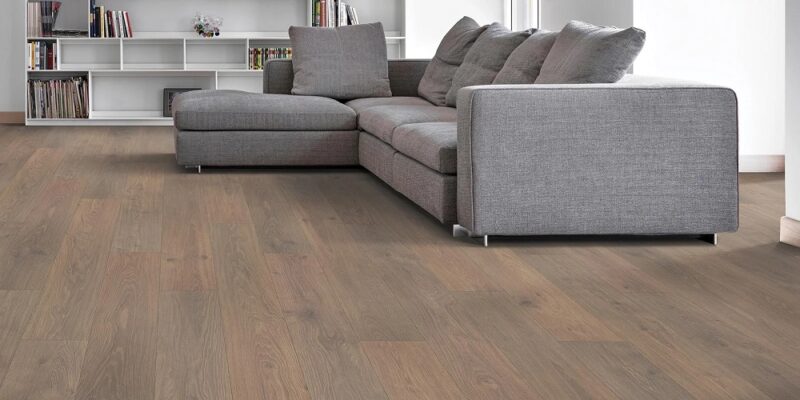
By Selecting the right flooring material is one of the most critical decisions homeowners face during a renovation or new build. Flooring influences not only the visual character of a room but also daily maintenance routines, acoustic levels, indoor comfort, and long-term resale value. Over the past few decades, laminate flooring has evolved from a cheap, synthetic alternative to hardwood into a sophisticated, high-performance option that rivals far more expensive materials.
Originally introduced in the late twentieth century, modern laminate flooring features high-definition image layers, registered-in-embossing textures that mimic real wood grain or natural stone, and advanced protective topcoats. Despite these rapid technological improvements, laminate flooring comes with a distinct set of advantages and limitations. Evaluating these factors helps homeowners determine whether laminate fits their lifestyle, budget, and design expectations.
Understanding the Structure of Laminate Flooring
To appreciate the strengths and weaknesses of laminate flooring, it helps to understand how the planks are manufactured. Laminate is a multi-layer synthetic flooring product fused together through a lamination process.
The plank structure typically consists of four specialized layers:
-
Wear Layer: A clear, durable top resin coating made from melamine or aluminum oxide that resists scratches, stains, fading, and everyday foot traffic.
-
Decorative Layer: A high-resolution photo print of wood planks, natural stone, ceramic tiles, or concrete pattern.
-
Core Layer: A dense, engineered substrate, usually high-density fiberboard, that provides structural strength, impact resistance, and stability.
-
Backing Layer: A moisture-resistant base layer that stabilizes the plank, prevents warping, and protects against moisture rising from the subfloor.
Together, these layers form a rigid plank that installs via a floating system, meaning the planks interlock without needing glue, nails, or staples attached directly to the subfloor.
The Advantages of Laminate Flooring
Homeowners and contractors frequently choose laminate flooring for its balance of affordability, durability, and stylistic versatility. The following benefits highlight why laminate remains a top contender in modern residential design.
Exceptional Cost-Effectiveness
Compared to solid hardwood, engineered wood, or natural stone, laminate flooring offers significant savings on both materials and installation labor. Solid hardwood can cost several times more per square foot, excluding the professional installation expenses required for nailing, sanding, and staining. Laminate allows budget-conscious homeowners to achieve the warm visual texture of oak, walnut, or hickory without exceeding their financial boundaries.
High Durability and Scratch Resistance
The tough melamine wear layer makes laminate exceptionally resilient against daily wear and tear. Unlike natural wood, which easily dents under heavy furniture heels or scratches from pet claws, high-quality laminate withstands heavy foot traffic, dropped toys, and sharp objects. High-definition resin coatings also make laminate resistant to ultraviolet light, preventing the dramatic sun fading or discoloration common in natural wood floors exposed to bright sunlight.
Fast and Flexible Installation
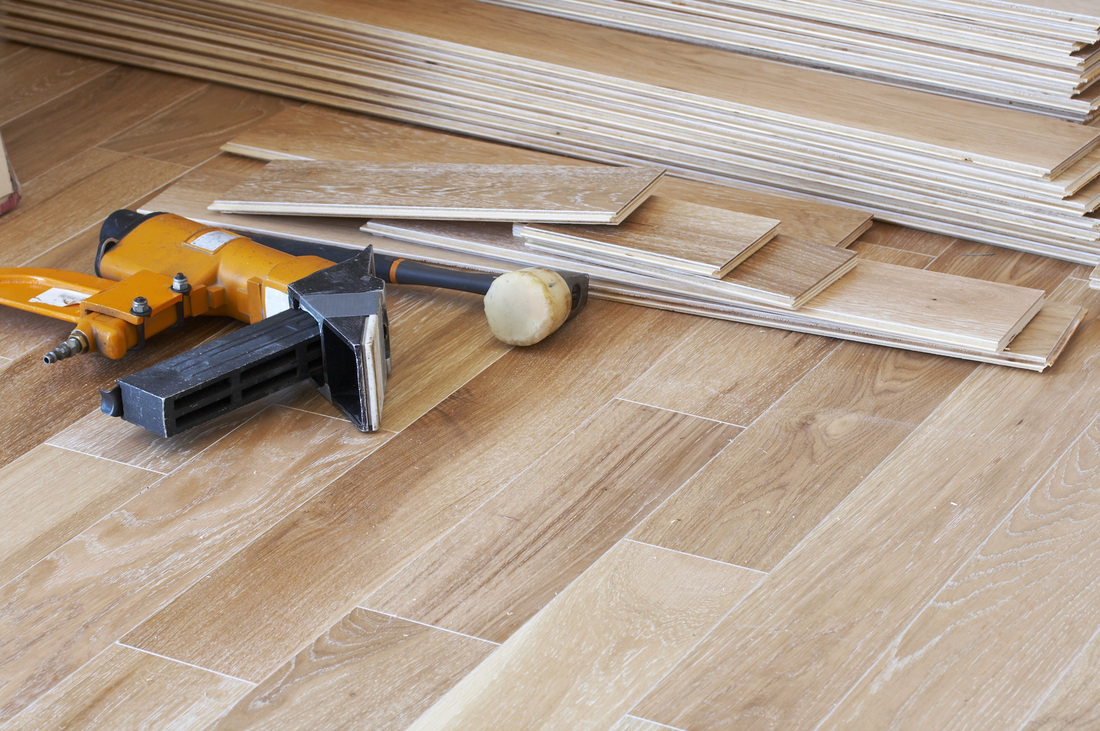
Laminate floors feature click-lock or tongue-and-groove joint systems designed for straightforward floating installation. Advanced DIY enthusiasts can often complete a room over a weekend, saving substantial labor costs. Floating floors can be installed over many existing hard surface subfloors, including sheet vinyl, ceramic tile, and dry concrete, provided the surface is flat, clean, and structurally sound.
Low Daily Maintenance
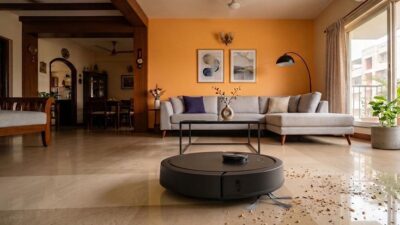
Laminate requires minimal upkeep to maintain its clean aesthetic. Unlike solid hardwood, which requires periodic oiling, refinishing, or specialized conditioning products, laminate needs only regular sweeping or dust mopping to remove loose dirt and grit. Damp mopping with a microfiber pad and a manufacturer-approved cleaner keeps the floor spotless without requiring complicated sealing procedures.
Wide Variety of Design Options
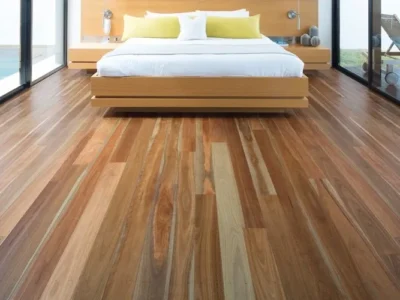
Modern printing techniques produce visuals that closely duplicate exotic hardwoods, weathered barn boards, slate tiles, and honed marble. Manufacturers apply physical textures directly over the printed pattern, creating realistic grain lines, wire-brushed finishes, and hand-scraped effects. This flexibility allows homeowners to implement cohesive flooring aesthetics across bedrooms, hallways, living rooms, and open-plan spaces.
The Disadvantages of Laminate Flooring
While laminate flooring offers numerous compelling benefits, it also presents specific drawbacks that make it unsuitable for certain residential conditions or homeowner priorities.
Vulnerability to Moisture and Standing Water
Despite recent advancements in water-resistant core materials, standard laminate flooring remains susceptible to moisture damage. High-density fiberboard absorbs water through unsealed edges or joints if liquid spills remain standing for extended periods. Once moisture penetrates the core layer, the fiberboard swells, causing unsightly cupping, warping, or edge buckling that cannot be repaired. As a result, standard laminate is generally discouraged for full bathrooms, laundry rooms, or unconditioned basements prone to dampness.
Inability to Be Refinished
Unlike solid hardwood floors, which can be sanded, stained, and refinished multiple times over decades, laminate flooring cannot be sanded down. Sanding damages the thin decorative photo layer, permanently ruining the plank. When a laminate floor sustains deep gouges, severe water damage, or significant wear across high-traffic paths, individual planks must be replaced, or the entire floor must be torn up and reinstalled.
Acoustic Hollow Sound
Because laminate floors float on top of a subfloor without permanent adhesives, they can produce a hollow, clicking sound when walked on in hard-soled shoes or high heels. Pet nails tapping against the rigid wear layer can also generate noticeable room noise. Homeowners can mitigate this issue by installing high-density acoustic underlayment beneath the planks, though it will not completely replicate the solid, muted feel of traditional glued-down or nailed hardwood.
Lower Impact on Home Resale Value
While laminate improves the look of old, worn carpet or outdated linoleum, it generally does not boost property resale value to the same degree as genuine solid hardwood or high-end engineered wood. Discerning real estate buyers frequently distinguish between authentic wood and synthetic imitations, viewing hardwood as a premium permanent feature and laminate as a temporary or mid-tier upgrade.
Environmental and Disposal Concerns
Laminate flooring uses synthetic resins containing chemical compounds, and older or lower-quality products can off-gas volatile organic compounds, including formaldehyde. While major modern manufacturers adhere to strict indoor air quality standards, discarded laminate planks end up in landfills rather than biodegrading naturally. When purchasing laminate, looking for indoor air certification ensures safer indoor environmental quality.
Comparing Laminate with Alternative Flooring Options
Understanding how laminate compares against other common residential flooring options helps narrow down the best material for specific living spaces.
-
Laminate vs. Solid Hardwood: Hardwood offers unmatched authenticity, long lifespans, and high resale value, but requires a significant upfront investment and frequent care. Laminate offers similar visual appeal at a fraction of the cost with far superior scratch resistance, though it cannot be refinished.
-
Laminate vs. Luxury Vinyl Plank (LVP): LVP is completely waterproof, making it superior for bathrooms, basements, and mudrooms where standing water occurs. However, quality laminate often offers a firmer feel underfoot, superior scratch resistance against sharp objects, and more realistic wood grain embossing than standard vinyl.
-
Laminate vs. Ceramic Tile: Tile provides ultimate water resistance and long-term durability but is cold underfoot, hard on joints during prolonged standing, and labor-intensive to install. Laminate provides a warmer, softer surface that installs much faster.
Best Practices for Installing and Maintaining Laminate Floors
Maximizing the lifespan and visual appeal of laminate flooring requires following core installation guidelines and sensible cleaning habits.
Acclimatization and Subfloor Preparation
Before installation, laminate boxes should rest flat in the temperature-controlled room where they will be installed for at least 48 hours. Acclimatization allows the fiberboard core to adjust to the room ambient temperature and relative humidity, preventing post-installation expansion or contraction. The subfloor must be thoroughly cleaned, dried, and leveled; any dips or bumps greater than three-sixteenths of an inch across a ten-foot radius can cause plank joints to flex, creak, or unclick over time.
Installing Underlayment and Perimeter Expansion Gaps
Always install a suitable underlayment under floating laminate planks. Underlayment smoothes minor subfloor imperfections, reduces footstep noise, and provides a thermal barrier. When installing over concrete slabs, use an underlayment with a built-in vapor barrier to block rising moisture. Leave a consistent expansion gap of one-quarter to three-eighths of an inch along all walls, doorframes, and fixed structures to allow the floating floor to expand and contract naturally with seasonal humidity shifts. Cover these gaps with baseboards or shoe molding.
Preventive Maintenance Habits
Protect your investment by establishing preventive protection rules:
-
Place absorbent doormats at exterior entryways to catch dirt, sand, and moisture before it reaches the floor.
-
Attach felt floor protectors under all chair legs, tables, and heavy furniture pieces to prevent scuff marks during movement.
-
Wipe up liquid spills immediately with a dry or lightly dampened cloth to protect plank seams.
-
Trim pet nails regularly to minimize high-frequency surface impact and tapping noise.
-
Avoid using steam mops, wet mops with standing water, abrasive scrubbers, or harsh chemical waxes, all of which compromise the protective wear layer and swell internal joints.
Frequently Asked Questions
Can laminate flooring be installed over existing radiant heating systems?
Yes, many modern laminate products are compatible with hydronic or electric in-floor radiant heating systems. The heating system must be embedded in the subfloor and operated at moderate, gradual temperatures, typically capped below 80 to 85 degrees Fahrenheit. Always check specific manufacturer guidelines before installation to prevent thermal shock from warping the fiberboard core.
What does the AC rating mean on laminate flooring packages?
The AC rating stands for Abrasion Class, an industry-standard scale from AC1 to AC6 that measures a laminate floor resistance to wear, impact, and staining. AC1 and AC2 are designed for low-traffic areas like guest bedrooms. AC3 suits moderate to heavy residential traffic in living rooms and kitchens. AC4 and AC5 ratings are built for heavy residential use and high-traffic commercial environments.
How long does a quality laminate floor typically last in a home?
A well-installed, high-quality laminate floor with an AC3 or AC4 rating lasts between 15 and 25 years in a typical residential setting. Lifespan depends heavily on foot traffic levels, pet activity, humidity control, immediate cleanup of moisture spills, and adherence to non-abrasive cleaning routines.
Is laminate flooring safe for homes with indoor pets?
Laminate flooring works well for pets due to its exceptional resistance to claw scratches and scuffs compared to soft hardwood floors. However, pet owners should choose textured or hand-scraped surfaces to provide pets with traction, preventing slipping on slick glossy finishes. Promptly cleaning up pet accidents is necessary to keep liquids from penetrating plank seams.
What is the primary difference between water-resistant and waterproof laminate?
Water-resistant laminate features treated wear layers and tight click joints that resist topical moisture for a limited window, typically 24 to 72 hours, before moisture penetrates the core. Waterproof laminate combines water-repellent edge coatings with hydrophobic high-density cores or synthetic composite cores that resist continuous water contact without swelling.
How can small scratches or chips on laminate planks be repaired?
Minor surface scratches can be disguised using specialized color-matched repair putty, wax fill sticks, or floor repair markers designed for laminate surfaces. Deeply damaged planks that cannot be filled with wax can be unclicked from the wall baseline and replaced with spare planks, or cut out individually using specialized floor repair tools and adhesive.
Why do some laminate floors feel cold underfoot during winter months?
Laminate floors adopt the ambient temperature of the room and subfloor beneath them. Because laminate is installed over a floating space without thick natural wood mass, cold air from unheated basements or crawlspaces can transfer upward. Installing a high-grade foam or cork underlayment with high thermal insulation values helps keep the floor warmer underfoot during cold weather.